

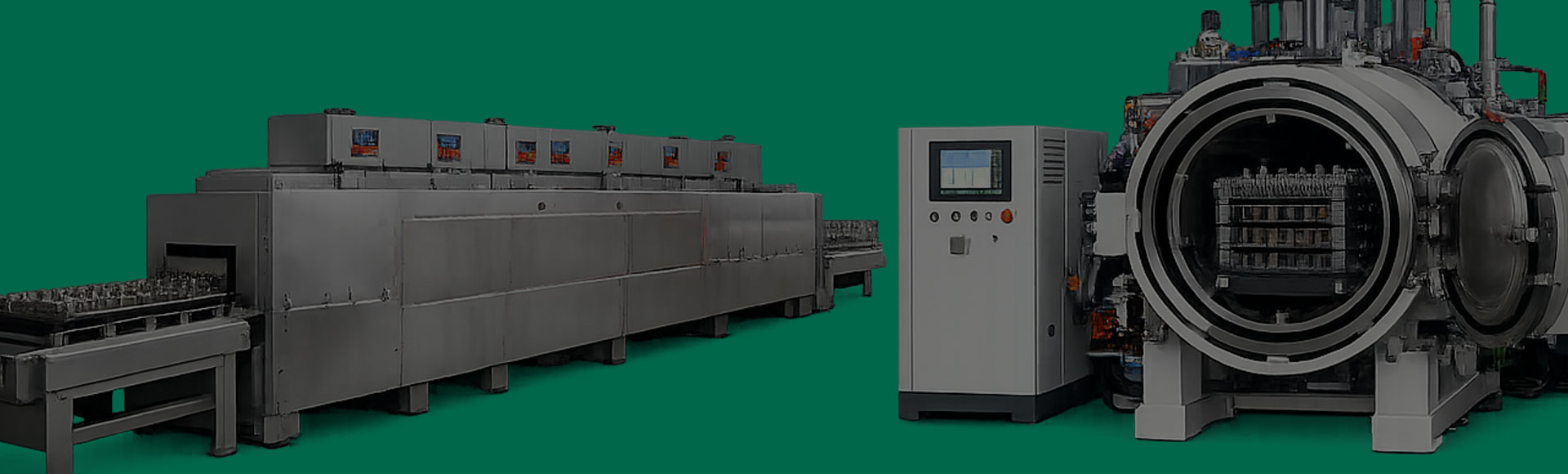

Sintering within the MIM process is the thermomechanical stage in which the final densification of the part takes place, its microstructure is consolidated, and its final geometry is established.
Ultimately, mastering the sintering process is what turns the geometric complexity of a MIM part into a genuine competitive advantage: the ability to manufacture what others cannot, with the consistency required by the most demanding markets.
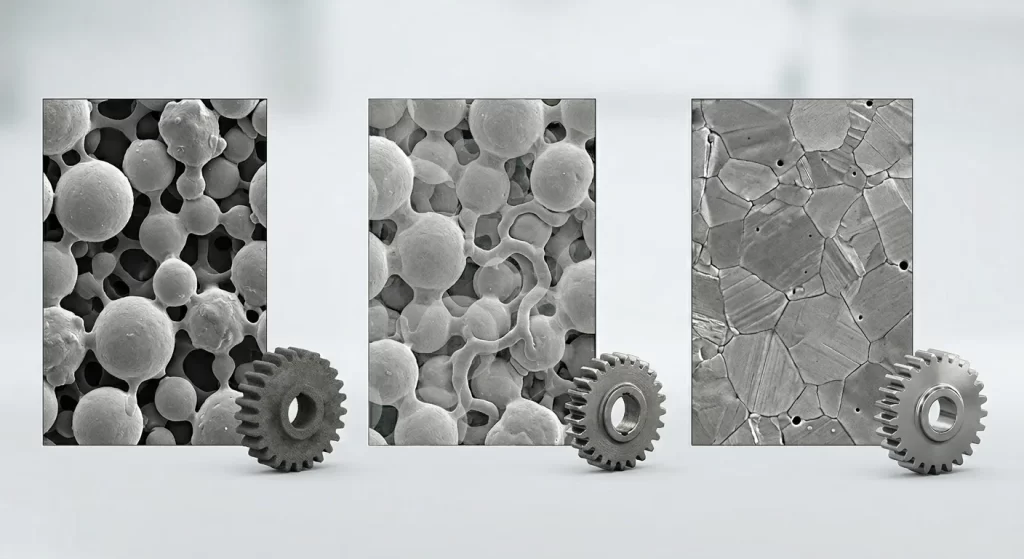 The sintering process evolves through three clearly differentiated macroscopic stages, each with its own specific risk profile.
- During the initial stage, necks form between adjacent particles.
- The intermediate stage is where most of the densification takes place.
- During the final stage, the pores become isolated and spheroidised. Densification slows down, while grain growth accelerates.
Access our guide for an in-depth understanding of the physical mechanisms, process parameters, and risk factors involved in sintering.
In this guide, you will learn about:
- The physical fundamentals of sintering: why it occurs and the physical principles that govern it.
- The value of thermogravimetric analysis (TGA) applied to the MIM process
- The key aspects of thermal control
- Distortion control in MIM sintering: causes, mechanisms, and mitigation strategies
- Defects in MIM sintering: identification, analysis, and systematic troubleshooting.
To access the exclusive content, please complete the following form. You will receive the access code by email.
If necessary, remember to check your spam folder.

